
News
Steel Market Trends, Industry Policies, Processing Technology Updates, Corporate Shipment Updates, and Records of Client Visits
Related Posts
- ▶ 5052-H32 VS 5754-H22 Aluminum Sheet: Which Fits European Automotive Manufacturing
- ▶ 6061-T6 vs 6082-T6 Aluminum Plate: Difference for Structural Projects
- ▶ Key Factors When Sourcing Aluminum Coil for PV Roof & Construction Cladding
- ▶ How to Choose Marine Grade Aluminum Plate for Ship & Offshore Engineering
- ▶ Complete Aluminum Alloy Selection Guide for Industrial Buyers 2026
- ▶ 8xxx Series Aluminum: Special Alloy for Electronics, Foil & Industrial Use
Send Us A Message
Key Factors When Sourcing Aluminum Coil for PV Roof & Construction Cladding
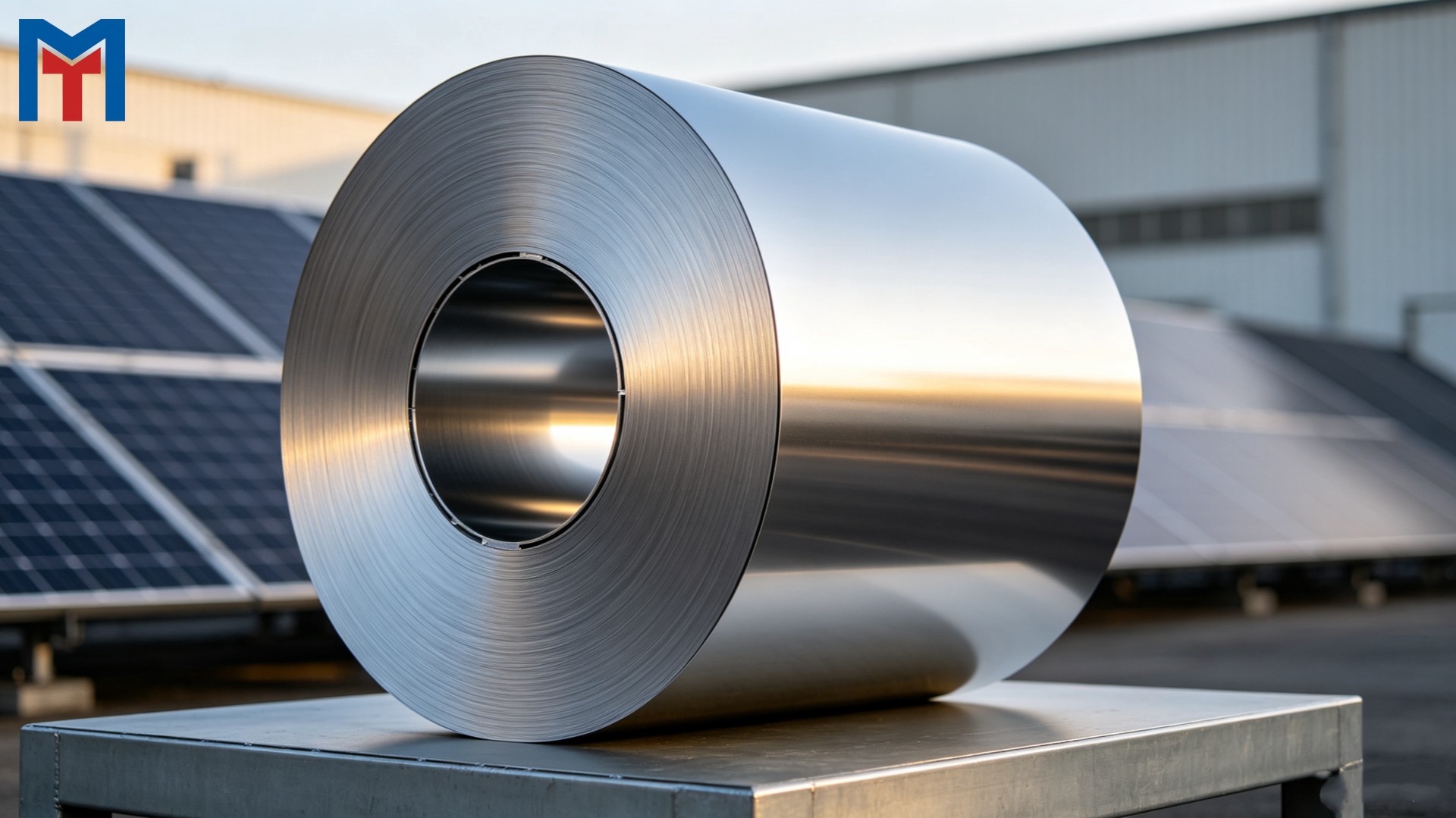
Whether you are procuring materials for large-scale photovoltaic roof installations, commercial building facades, exterior wall cladding or long-term outdoor construction projects, selecting the right aluminum coil is critical to project durability, safety and overall cost-effectiveness. Poor-quality aluminum coil may suffer from coating peeling, corrosion and deformation after several years of outdoor exposure, which will lead to expensive maintenance and early replacement.
This practical buying guide covers the most important factors industrial buyers, contractors and project managers need to evaluate before placing bulk orders of aluminum coil for PV roof and construction cladding. We will walk you through alloy selection, thickness tolerance, weather-resistance performance, surface coating options, MOQ arrangements and custom slitting service requirements to help you avoid common sourcing pitfalls.
1. Choose the Correct Aluminum Alloy Grade for Outdoor Exposure
Alloy grade determines the base corrosion resistance, tensile strength and forming performance of your construction aluminum coil. Two grades are widely recommended for solar roof and building cladding applications:
3004-H34 is one of the most popular options for PV roofing and large commercial facades. With added manganese, it delivers excellent rust resistance and moderate strength. This alloy performs steadily in long-term outdoor environments and is highly compatible with PVDF, polyester and other high-performance paint coatings. It is the mainstream substrate for prepainted aluminum coil used on solar panel mounting roofs.
5052 aluminum coil contains magnesium for superior salt-spray and coastal corrosion resistance. If your PV roof or construction cladding project is located near seashores, islands or high-humidity regions, 5052 coil is strongly recommended to resist marine air erosion.
Before confirming your alloy, cross-reference your local climate: inland sunny areas can safely adopt 3004-H34 aluminum coil, while coastal, high-humidity or salt-rich environments require 5052 series for extended service life.
2. Strictly Check Thickness Tolerance
Thickness consistency directly affects flatness, load-bearing performance and installation efficiency of PV roof panels and facade cladding. Uneven aluminum coil thickness causes wavy surfaces, difficult on-site bending and gaps during installation.
For solar roof aluminum coil and construction cladding, reliable suppliers should guarantee tight thickness tolerance according to international standards. Always request mill test reports (MTR) to verify each batch before bulk shipment. Avoid low-cost coils with loose tolerance ranges, as hidden material defects will appear after installation.
3. Prioritize Long-Term Weather Resistance
Outdoor PV roofs and building facades remain exposed to UV radiation, heavy rain, temperature fluctuation, sand and wind all year round. Your aluminum coil must deliver outstanding weather resistance to prevent fading, chalking and substrate corrosion.
Key weather-resistance indicators to review:
Anti-UV performance of surface coating
Salt spray resistance hours
Temperature cycling stability
Anti-corrosion property of the aluminum base metal
High-quality prepainted aluminum coil can maintain stable appearance and mechanical performance for decades, minimizing re-painting and repair costs for your solar and construction projects.
4. Select Suitable Surface Coating for Your Project
Surface coating is the protective barrier for aluminum coil cladding. Different coating types fit different PV roof and facade requirements:
1. PVDF Coating: Best for high-end commercial facades, large-scale photovoltaic roofs, coastal buildings. Excellent UV-resistance, long service life, premium anti-fading performance.
2. Polyester (PE) Coating: Cost-effective choice for inland construction cladding and common solar roof projects, good outdoor performance with balanced budget.
3. Mill Finish Aluminum Coil: Uncoated raw coil, suitable for clients who will complete secondary painting or surface treatment locally.
Clearly define your coating specification when sending inquiries to your construction aluminum coil supplier, to prevent receiving mismatched finished products.
5. MOQ, Lead Time and Custom Slitting Service
Project-based procurement for PV roof and building cladding often requires customized coil widths to match your panel dimensions. When sourcing aluminum coil, confirm the following commercial terms at an early stage:
Minimum order quantity (MOQ)
Available original coil width range
Custom slitting service to cut wide mother coils into your required narrow widths
Tolerance for slitting edges, burr-free finishing
Production lead time and delivery schedule for large bulk orders
Working with a factory that provides flexible custom slitting service can save you extra processing work and cut downstream costs for your solar roof project.
6. Mill Test Report and Required Certifications
Reputable aluminum coil manufacturers supply full mill test reports (MTR) for every shipment. These documents verify chemical composition, mechanical properties, thickness results and coating quality.
For international PV and construction projects, you may also require ISO certifications and third-party inspection documents before delivery. Always confirm certification requirements with your local construction code before placing bulk orders.
Final Sourcing Checklist for Buyers
Before signing off your aluminum coil purchase for PV roof and construction cladding, go through this quick checklist:
✅ Confirm alloy grade: 3004-H34 aluminum coil or 5052 series for coastal sites
✅ Verify thickness tolerance standards
✅ Select appropriate surface coating (PVDF / PE / mill finish)
✅ Check weather-resistance and anti-corrosion requirements for local climate
✅ Confirm custom slitting service, width specifications and MOQ
✅ Request mill test reports and certification documents
Conclusion
Investing in high-performance aluminum coil for photovoltaic roofing and building facade cladding is a long-term investment for your construction project. By evaluating alloy selection, thickness tolerance, weather resistance, surface coating, custom slitting service and documentation requirements, you can avoid costly material risks and select the ideal construction aluminum coil supplier.
Mingtai Aluminum supplies wholesale high-weather-resistance aluminum coil for solar roof, commercial cladding and facade projects. Contact our team to get your customized quotation.